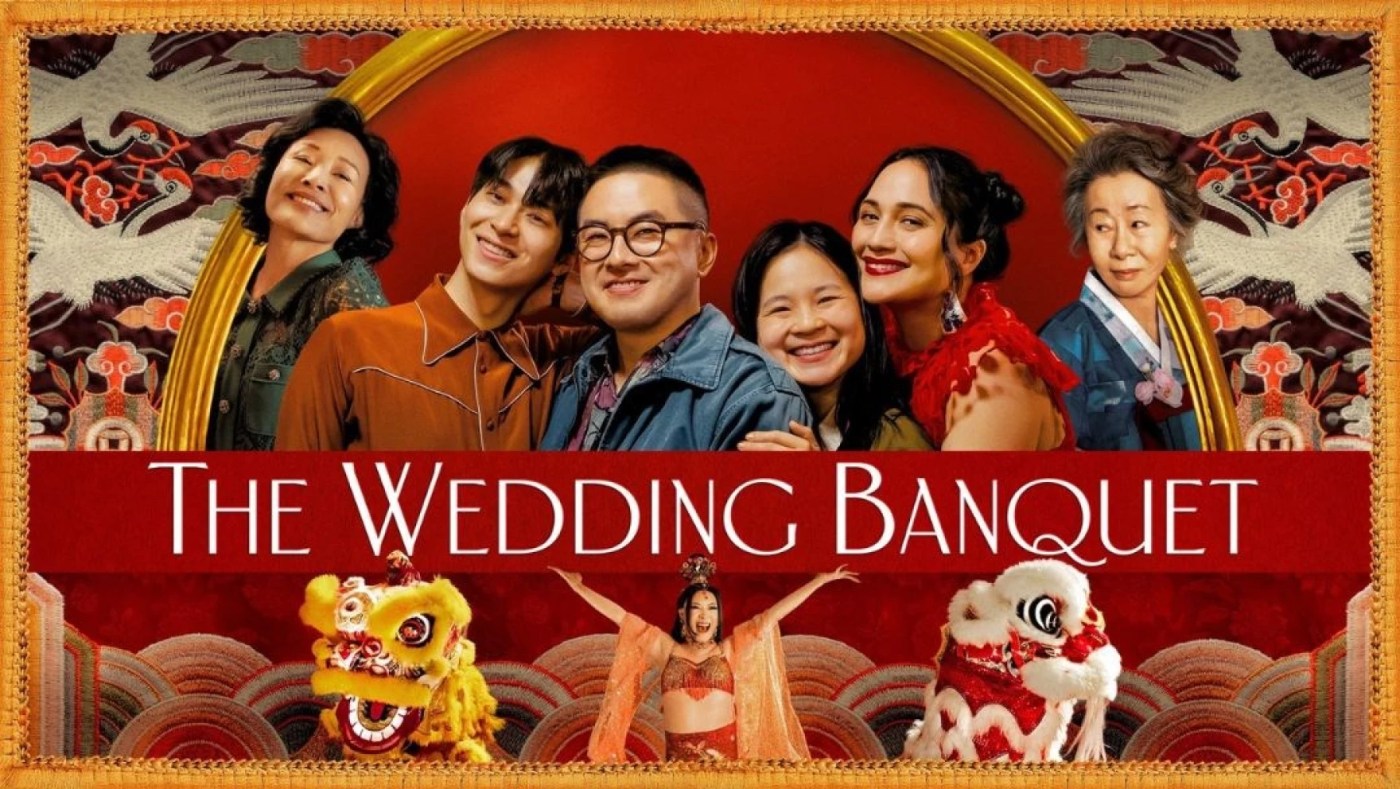
Ang Lee’s trailblazing film from 1993 is reborn in the modern era through the lens of Andrew Ahn’s “The Wedding Banquet.”
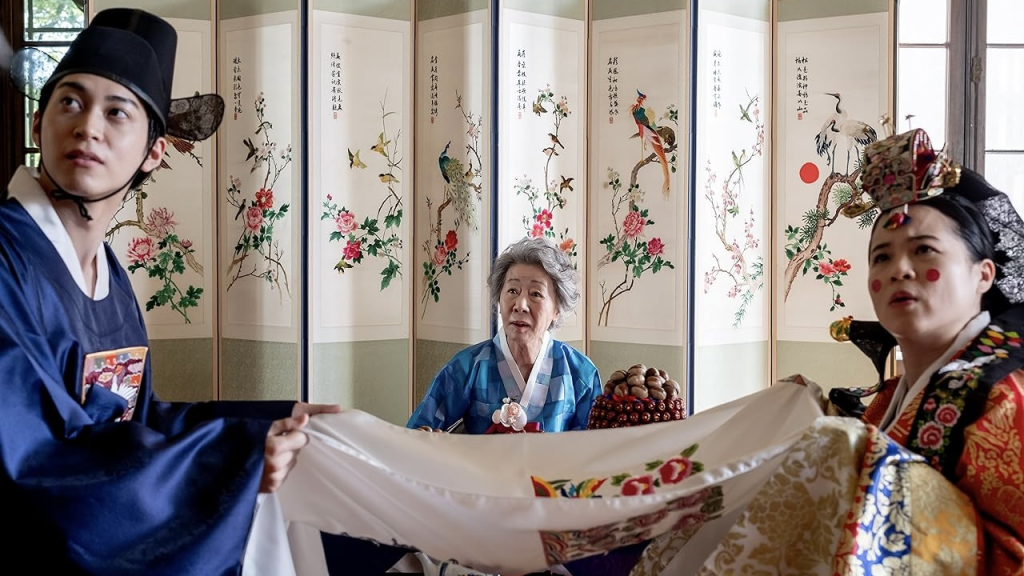
Andrew Ahn has become a shepherd of Asian American queer filmography, from his 7-minute debut short, “Andy,” in 2010, to his award-winning shorts “Spa Night” (2017) and “Driveways” (2019), to his star-studded feature film “Fire Island” (2022). Ahn has since continued to do what gays do best, influence pop culture, by directing some of your favorite shows like Bridgerton and Deli Boys.
“A gay man makes a deal with his lesbian friend: a green-card marriage for him, in exchange for in vitro fertilization treatments for her. Plans evolve as Min’s grandmother surprises them with a Korean wedding banquet.” – Quoth the almighty IMDB.
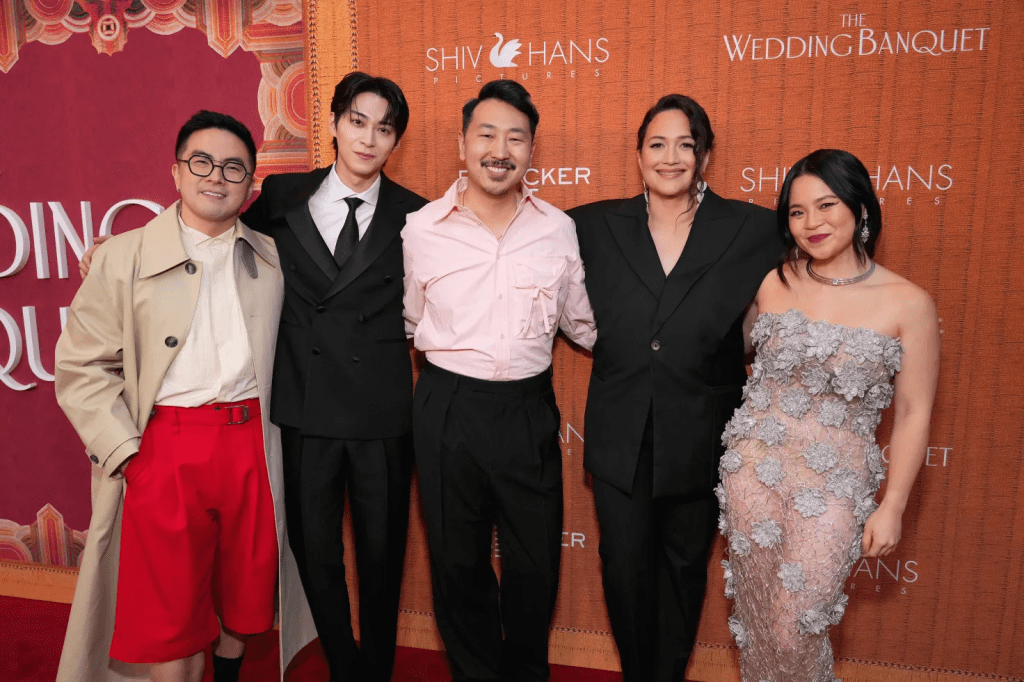
The film’s cast alone is enough to get anybody excited. The legendary actresses Joan Chen and Youn Yuh-jung, Bowen Yang, Han Gi-chan, Kelly Marie Tran, and Lily Gladstone are an absolute all-star ensemble, and their chemistry throughout the film is undeniable.
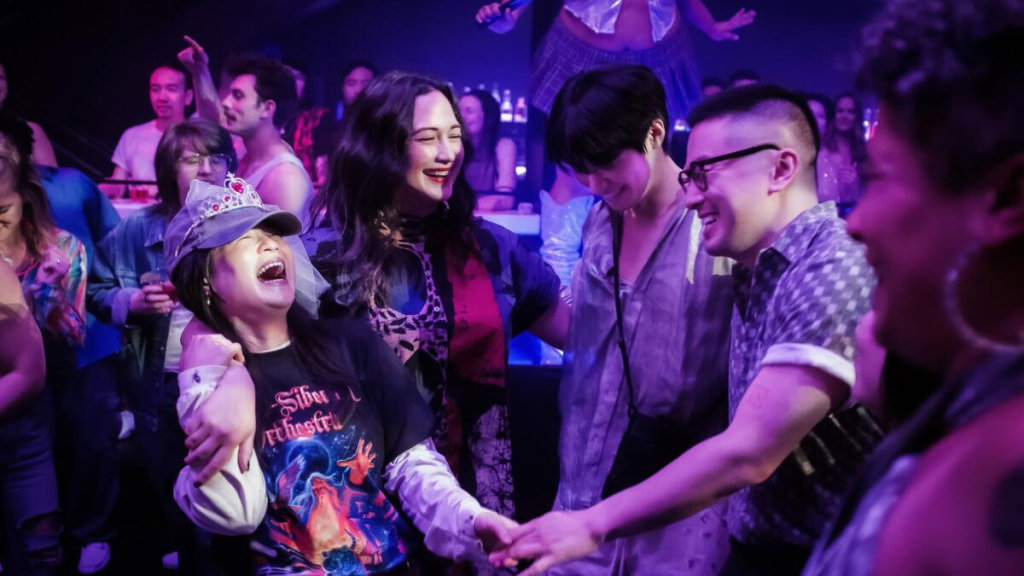
Getting into the straight people first because we give flowers when they are due. Joan Chen and Youn Yuh-jung did what they do – and you already know, they did what needed to be done.
Youn Yuh-jung’s subtlety throughout the film shows how you can do so much with just a look. We did receive a few fun lines from her, but I found that the moments of silence, where her acting lay in her expressions, were so powerful. Throughout the film, we can see the wheels turning in her eyes, the inner turmoil she has regarding the guilt she feels while planning her grandson’s wedding, and this level of acting is yet another piece of evidence as to why she is an Academy Award winner. In juxtaposition to Yuh-jung’s strong and reserved demeanor, Joan Chen waved the rainbow flags triumphantly.
Joan was already a queer icon from her motherly role in “Saving Face” (2004) *Sidebar – remember when queer icons were just straight women back in the day, and now we have icons in mainstream media who are part of the alphabet army – amazing! Yes! Yay representation!* Chen’s role as the whimsically proud ally/mother who leads support groups and ally orgs and overshares because she’s just that proud is such a great contrast from her role as the mother in Sean Wang’s film last year, Dìdi (弟弟). While both roles required Joan’s unparalleled skill at evoking emotion, it was refreshing to see her in a fun, light-hearted manner.
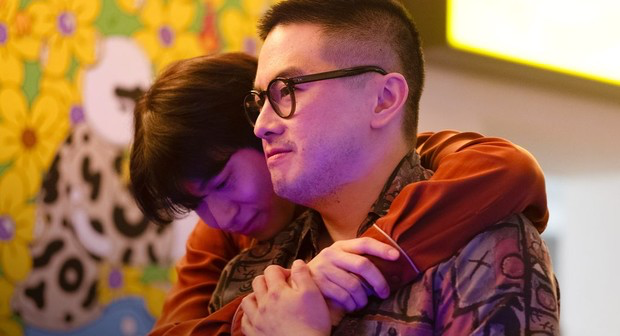
Bowen Yang and Han Gi-chan are incredibly amusing throughout the film and make for a very cute couple. The green card struggle is a little too real right now, given the current political climate (but that’s an article for another day); however, Han, known for his BL roles, shines in his international debut as Min. Gi-chan’s portrayal is delectably adorable, and he holds his own alongside his illustrious co-stars. The couple throughout the film delivers lines with impeccable comedic timing; however, I would have liked to have seen Bowen show a bit more vulnerability when the situation demanded it. During Yang’s low moments, I definitely felt for him, but it felt more sympathetic as opposed to empathetic; If Bowen had pulled from within just a little deeper, that might have changed.
Kelly and Lily, our queer queens, are the said lesbian friends – a couple, benefitting from the deal to get in vitro fertilization treatments. I personally love this addition to the plot, and it puts a spotlight on the realities of gay couples who want to start a family. I believe we’ve only seen a Queer IVF situation a few times in mainstream media, albeit rich people like in Grey’s Anatomy (Callie & Arizona and they never followed through with it), but never from such a nuanced perspective. Gladstone and Tran’s journey as a couple, centered around the possibility of starting a family, is, in my opinion, the heart of the film. The way they ate their roles made me wish they were a couple in real life. They are more than actors in this film; they were the embodiment of love, in all of its messy, joyous, yet unpredictable glory.
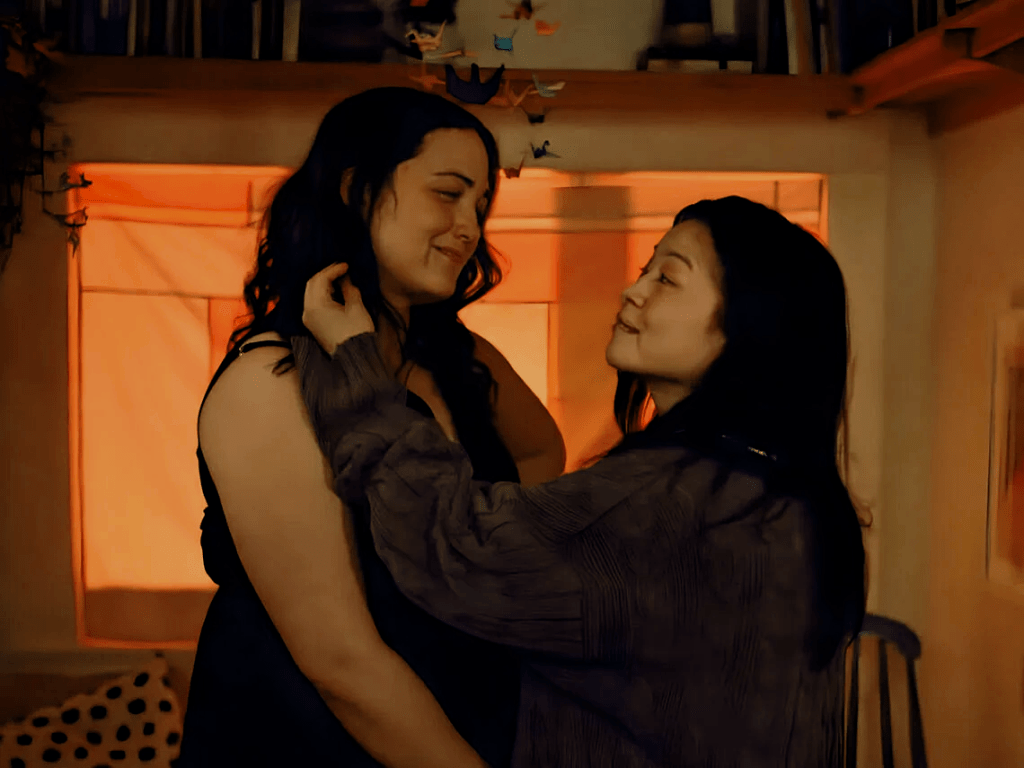
While the film is considered a remake, I find that the film stands on its own and deserves its own place in Queer Cinema History. While keeping the inspiration’s name, Ahn made the film his own in a way that solidified his skill as a writer and director. I would rate this film and all of its queer glory a 4.7/5 and definitely helps fill the hole in representation! (Disclaimer: There are no strict calculations to determine this score, and it is based merely on impulsive gay feelings.)
 G.A.P.I.N.G. Magazine
Leave a comment